


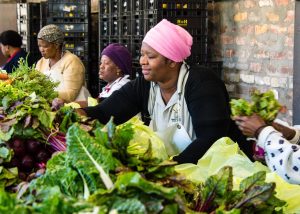
Abalimi Bezekhaya “Farmers of the home”
Abalimi Bezekhaya, meaning "Farmers Of The Home" in isiXhosa, is a non-profit urban farming organization that provides support to disadvantaged communities in Cape Town. In an act to combat poverty, Abalimi teaches people how to grow and maintain their organic vegetable gardens within the local communities. Projects include home and community gardens to encourage [...]
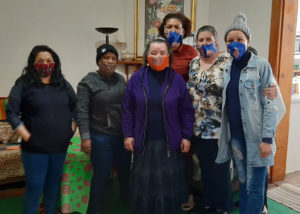
Beauty for Ashes
Beauty for Ashes (RF) NPC is an organization that provides a safe place of refuge for women who are returning to society, having experienced and endured time in prison. Understanding the challenges an ex-offender faces when trying to rebuild their lives, the program emphasizes women’s nurturing and empowerment. Beauty for Ashes' development programs aids [...]
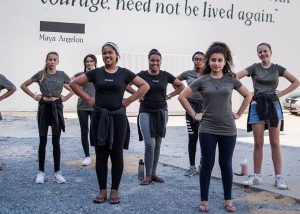
BRAVE Rock Girl
BRAVE is girl-led and trains girls from underserved communities. The program empowers girls and young women to tell their stories through journalism and photography/film, acquire practical skills, and build networks among their peers. BRAVE enables at-risk girls to access education, health care, economic empowerment, self-confidence, and safety. The primary goal is to create safe [...]
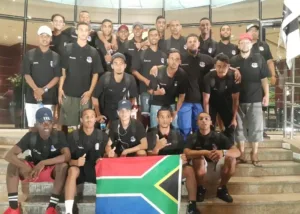
Cape Flats Sports Academy
Cape Flats Sports Academy is a dynamic non-profit organisation based in Cape Town, committed to uplifting underprivileged youth through the transformative power of sport.
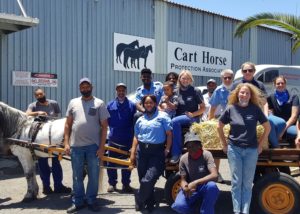
Cart Horse Protection Association
The Cart Horse Protection Association is a non-profit animal welfare organization, established in 1995 in Cape Town, to promote the welfare of working horses and donkeys in the Western Cape through service provision, legislation, education, training, and to protect them from abuse. After years of neglect and maltreatment due to the relocation of the [...]
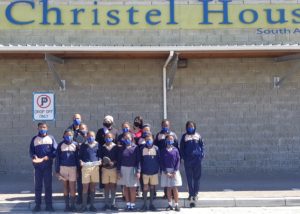
Christel House South Africa
Children born into poverty often face a lifetime of physical and psychological trauma and almost always remain trapped there, unless significant interventions occur. Christel House South Africa, a non-profit school, works towards breaking the cycle of poverty by providing its 1000+ students from Cape Town's most underserved communities, with a no-fee, 18-year scholarship. From [...]
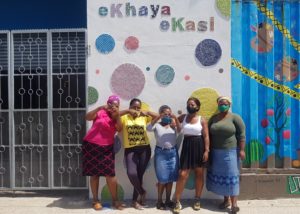
eKhaya eKasi “Home In The Hood” Center
eKhaya eKasi Art & Education Center is a non-profit organization based in Khayelitsha, Cape Town. In support of the economic development of women and children through promoting education, well-being, and creativity, the center serves as a community resource and oasis of hope for families impacted by extreme poverty. A strong ethos of helping people [...]

Eyes2Eyes
About Eyes2Eyes Corneal blindness affects more than 12 million people around the globe. 80% of this is preventable. South Africa is no different, except that corneal services in our country are hugely under-resourced. For patients as young as 8, this means very long waiting times to get help. The Eyes2Eyes Foundation’s vision is [...]
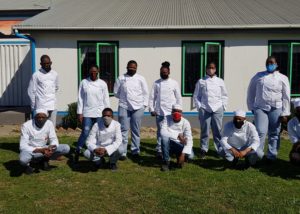
Eziko “Fireplace” Cooking School
Eziko Cooking and Catering School is a community-based project located in Langa, one of the oldest townships in Cape Town. Eziko acts as an entry-level skill center in catering and the hospitality field. Eziko specializes in food preparation and cooking courses, baking, and drinks service, preparing students for a career in cooking and catering. [...]
Feed The Khaltsha (FTK)
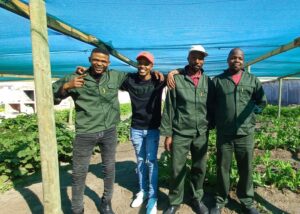
Feed the Khaltsha (FTK) organic garden was established by Thapelo Xabanisa in February 2020, based at the Sibongile day and night care center.
Ghetto Gardeners
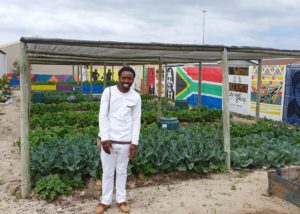
Ghetto Gardeners affectionately known as “GG” was established in 2018 by Ludwe Qamata from Site C in Khayelitsha with the purpose of empowering young and old with organic vegetable development skills and knowledge. GG encourages a positive change within community and household spaces by transforming unused and used areas to beautiful gardens. Ludwe having [...]
Goal50 ECD
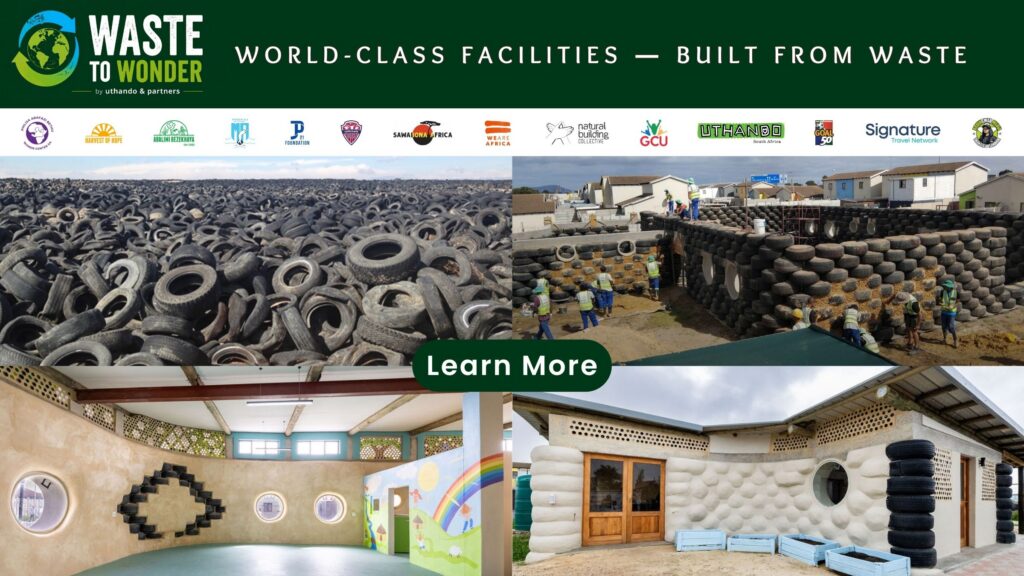
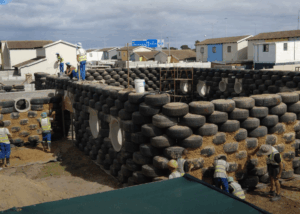
Goal50 Early Childhood Development Centre Goal50 Early Childhood Development Centre Is The Most Incredible Eco-conscious Education Facility In The World! From Tyres To Transformation! Goal50 Early Childhood Development Centre Goal50 Early Childhood Development Centre Is The Most Incredible Eco-conscious Education Facility [...]
Great Commission United (GCU)
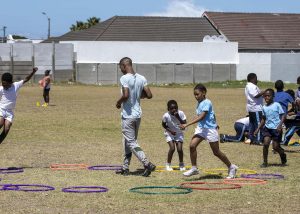
Greater Commission United (GCU) is a non-profit organization based in Heideveld, Cape Town. Established in 2001 by Mario van Niekerk, GCU provides life-changing sporting and education opportunities to disadvantaged, impoverished youth between the ages of 7 and 18 years. The primary aim of GCU is to guard against youth gangsterism within the Heideveld community [...]
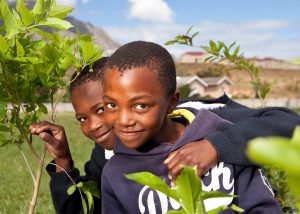
Greenpop
Greenpop is a non-profit organization on a mission to (re)connect people with the planet by planting trees through urban greening and reforestation projects. The organization spreads environmental awareness and activates people via green festivals and workshops across Southern Africa. The urban-greening initiative empowers local communities to improve their ecological and social landscapes by using [...]
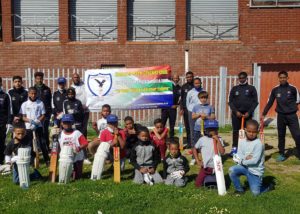
Hanover Park Cricket Club
Hanover Park Cricket Club is a Registered Non-Profit (176-964) and Public Benefit Organisation. The Club strives to impact its members through sports education. It is committed to teaching cricket to restore dignity and a sense of belonging to their community. The sport is a unifying catalyst, helping to curb the gangsterism, violence, and drugs [...]
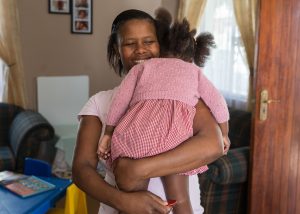
Home from Home
Home from Home is a non-profit organization that provides supervised community-based cluster foster care for orphaned, abused, neglected, and vulnerable children in South Africa. Established in 2005 by Jane Payne and Pippa Shaper, Home from Home cares for over 200 vulnerable children through a network of 36 homes across 15 communities in the Western [...]
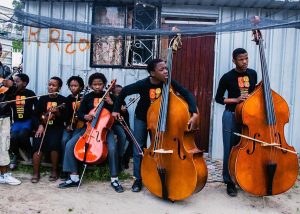
Hout Bay Music Project (HBMP)
The Hout Bay Music Project (HBMP) is a non-profit organization that was founded by Leanne Dolman in 2003, with the vision to empower disadvantaged children through music. The project enables children to come together and experience the joy and therapy that music brings, teaching the necessary skills and related disciplines to over 80 children [...]
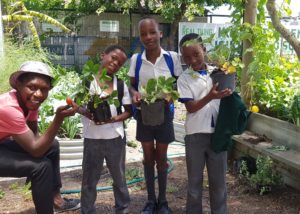
Ikhaya “Home” Garden (Ikhaya Kulture Garden)
Ikhaya "Home" Garden (Ikhaya Kulture Garden) is an urban food forest established in 2013 by Xolisa Bangani, an artist who had a vision to showcase gardening as a landscaping art. Based on a plot at Isikhokelo Primary School in Site C, Khayelitsha, the project focuses on promoting and practicing agro-ecology and biodiversity concepts. The [...]
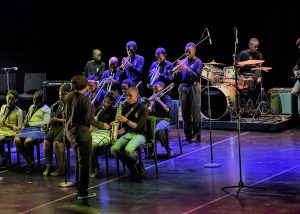
Institute for Music & Indigenous Art Development (IMAD)
IMAD, the acronym for Institute for Music and Indigenous Arts Development, is a non-profit organization operating in disadvantaged areas in and around Cape Town that makes music education accessible to young people. Founded in 2007, IMAD teaches children to play a variety of instruments and how to sing in choirs, with a primary focus [...]

Isibane Se Afrika “The Light Of Africa”
Isibane se Afrika - which translates to "The Light Of Africa" in isiXhosa, is a traditional African gospel choir based in Khayelitsha. With a vision to create a positive platform from which her community could express themselves, Andisiwe Mbuje founded the choir in her mother's garage, in 2001. Using the choir as an instrument [...]

Isiseko “The Foundation” Center
Isiseko, "The Foundation" in isiXhosa center, is an Early Childhood Development Center (ECD) non-profit organization located in the Mfuleni township. Founded in 2000 by the beautiful and warm, Mama Zoliswa Siko, Isiseko caters to more than 120 vulnerable and under-privileged children in the community. The Educare center serves as a safe, nurturing environment for [...]
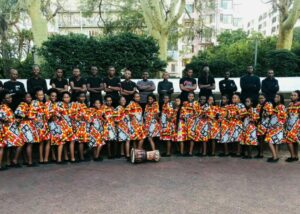
Khayelitsha Youth Choir (KYC)
Khayelitsha Youth Choir (KYC) was formed in October 2018 in Harare Khayelitsha, formerly known as Isiphiwo Art Group. The name change was as a result of the choir embarking on a more developmental focused vision of not only offering music but also contributing to the empowerment of young people in Khayelitsha by providing educational and social support.

Khumbulani “To Remember” Center
Members of the Khayelitsha community formed Khumbulani Center, meaning "To Remember" in isiXhosa due to a large number of individuals infected and affected by HIV, AIDS, and TB in their direct neighborhood and the devastating consequences thereof. These include an inability to work and thus financial difficulty, leading to food insecurity and preventing parents [...]
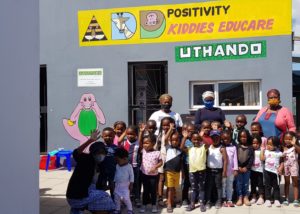
Kiddies Educare Center
Kiddies Educare center was established by the warm and wonderful principal, Margaret Makhafola, who opened her doors to children in need of daycare, under the age of six. With a focus on the children’s well-being, Margaret invests in the education and development of her five permanent staff members. They cater and care for the [...]
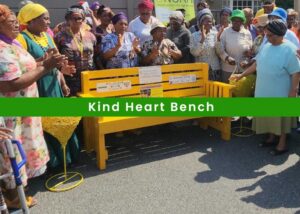
Kind Heart Bench Project
Feed the Khaltsha (FTK) organic garden was established by Thapelo Xabanisa in February 2020, based at the Sibongile day and night care center.
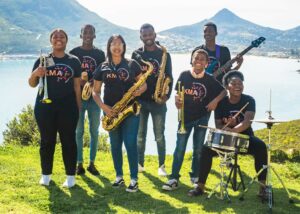
Kronendal Music Academy (KMA)
Kronendal Music Academy (KMA) was established in 2007 as a non-profit organization, with the premise to allow disadvantaged children to discover and exploit their musical talents. Based on the principle that music heals, KMA uses the universal language of music as a platform and educational steppingstone. By integrating the diverse communities of Imizamo Yethu [...]
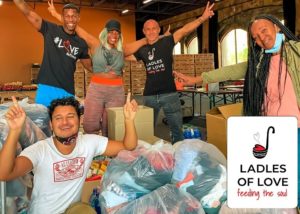
Ladles of Love
Ladles of Love is about more than merely providing meals. It’s about dignity, respect, and creating the kind of world we all want to live in.
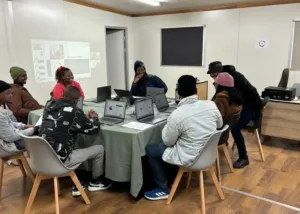
Lathitha Tech Training
Lathitha Training Centre is a startup initiative located in Khayelitsha, Cape Town. Lathitha is dedicated to empowering disadvantaged youth by bridging the digital divide and fostering a new generation of skilled tech professionals.
Learn to Earn (LTE)
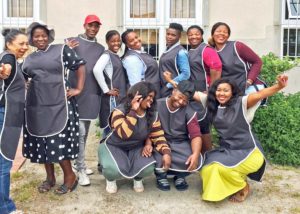
Learn to Earn (LTE) is a skills development and job creation non-profit organization founded in 1989. The initiative develops social and economic skills, and emotional and spiritual awareness for unemployed individuals, within the communities of Khayelitsha and Hermanus. In an act to eradicate unemployment, LTE restores hope, dignity, and self-respect of unemployed people through [...]
Major Voices Choir
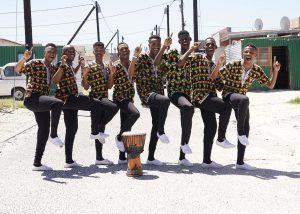
Major Voices is a youth choir established in 2012 in a school music classroom in Khayelitsha, by four inspiring young men. They had the vision to use music to empower and motivate their community against crime, unemployment, and drugs. Growing up in a challenging, underprivileged environment and endured hardships and struggles themselves, the four [...]
Makukhanye “Let There Be Light” Art Room
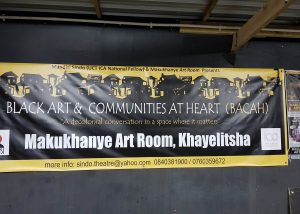
Makukhanye Art Room, which translates to "Let There Be Light," in isiXhosa, is an award-winning 'shack theatre,' based in the township of Khayelitsha. It is a division of the Theatre 4 Change initiative established in 2010, providing a creative platform and educational space for diverse groups of talented artists. It serves as a valuable [...]
Masibulele “We Give Thanks” Educare
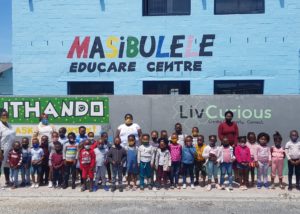
Masibulele, which means "We Give Thanks" in isiXhosa, is an early childhood development center founded in 1995 by Thandi Xaba, for the children of the Khayelitsha community. Responding to the burgeoning demand for daycare centers and early childhood education in her area, Thandi started Masibulele Educare. She utilized a plot of informal structures as [...]
Masiphumelele “Let’s Succeed” Creative Hub
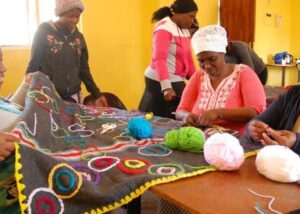
Masiphumelele "Let's Succeed" Creative Hub was founded in 2017 by Yandiswa Mazwane. The organization works to provide a safe, supportive, and educational environment in which community members can use the power of creativity and art to overcome their daily challenges. Through our focus on sport, art, and after-school care classes, we encourage Masiphumelele youth's [...]
Mdzananda “Distemper” Animal Clinic
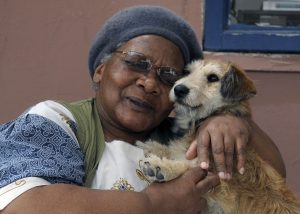
Mdzananda Animal Clinic is a permanent, non-profit organization based in Khayelitsha that provides companionship and care for the animals of its community. Mdzananda, meaning "Distemper" in isiXhosa is a registered clinic caring for over 1000 animals per month, through consultations, hospitalization, surgery, and mobile clinics for sick and injured pets - primarily dogs and [...]
Moya we Khaya “Spirit Of Home”
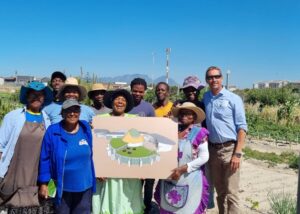
Christina Kaba, Abalimi's farming movement leader, founded Moya we Khaya meaning "Spirit Of Home" in isiXhosa, in 2014. One hectare in size, it is situated next to the Manyanani Peace Park in Khayelitsha, the first-ever community park established in the townships of Cape Town in 1995, also led by Mama Christina Kaba. Moya comprises [...]
NOAH (Neighborhood Old Age Homes)
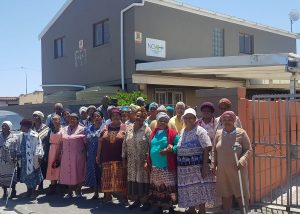
NOAH, an acronym for Neighborhood Old Age Homes, is a non-profit organization established in 1981 by the Catholic Welfare & Development Institution. Operating from twin community centers in Woodstock and Khayelitsha, respectively, NOAH provides invaluable social, financial, and wellness support to every pensioner. Eleven houses, an assisted living facility, and two primary health care [...]
Nonceba “Mercy” Foundation
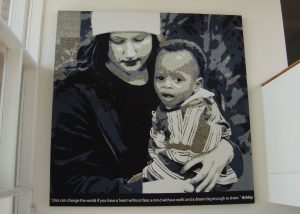
Nonceba Family Counseling Centre was founded in 1997 in response to the sexual abuse problems in the township of Khayelitsha, particularly the sexual abuse of children. Nonceba, meaning "Mercy" in isiXhosa, addresses the concerning issues that have risen to epidemic proportions due to the pressing social problems affecting Khayelitsha's community. It is the largest [...]
Pitches For Peace
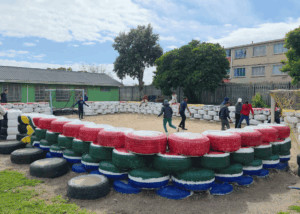
Pitches For Peace! These Pitches Build Bridges Between Communities! Its more than physical education! It's a compelling environment where educators can positively influence the mindset of our youth! Pitches For Peace! These Pitches Build Bridges Between Communities! Its more than physical [...]
SEED
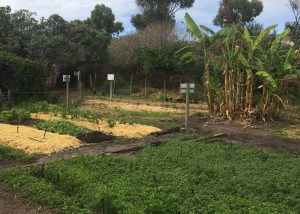
SEED (Schools Environmental Education and Development) is an award-winning non-profit and public benefits organization operating from Rocklands Primary School in Mitchells Plain on the Cape Flats, with a national scope to schools-based outdoor learning program and youth applied permaculture training, their work is rooted in the sustainable land design system of Permaculture. SEED offers three [...]
Sibongile Day & Night Care Centre
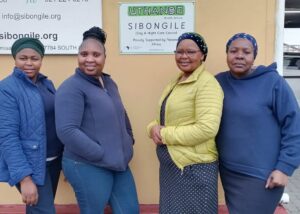
Feed the Khaltsha (FTK) organic garden was established by Thapelo Xabanisa in February 2020, based at the Sibongile day and night care center.
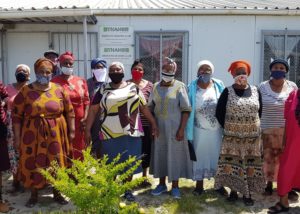
Sinovuyo “We Are Happy” Seniors Club
Sinovuyo Seniors Club was established in May 2015 by the seniors themselves. Sinovuyo translates to "We Are Happy" in isiXhosa. The vision is to provide a daycare facility for seniors of Khayelitsha; the group consists of +- 30 members aged from 60 to 94 years and two volunteer aides. The group meets every day [...]
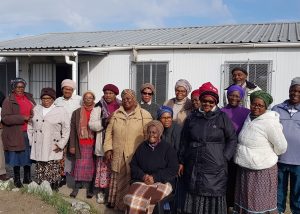
Siyathandwa “We Are Loved” Seniors Club
Siyathandwa, meaning "We are loved" in isiXhosa, Senior Citizens in Action is a group of 40 seniors based in Khayelitsha. The group accommodates people from 60 years of age and over and operates as a senior center where seniors do day to day activities to keep healthy. The project ensures their well-being, companionship, to [...]
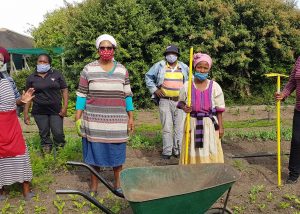
Siyazama “We Are Trying” Garden
Siyazama, "We Are trying" in isiXhosa, an organic garden was established in 1997 as the first community garden in the townships of Cape Town by thirty unemployed people, mostly women. Micro-farmers manage the 10, 000m² garden. At the Young Farmers Training Center Apprenticeship Course, a small intake of young, unemployed men and women learn [...]
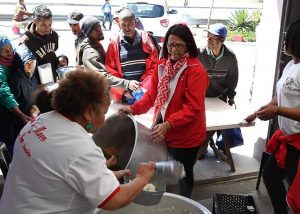
The Alcardo Andrews Foundation (AAF)
The Alcardo Andrews Foundation was established in 2015 to honor all young men and women who lost their lives to violent crime. Avril Andrews lost her son Alcardo to gang violence. She discovered the challenges and researched why so many young men fell victim to murder. In response, Avril contacted fellow mothers who had [...]
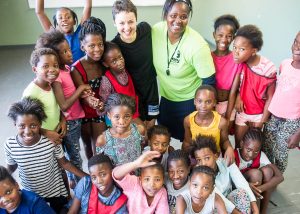
The Amy Foundation (Formerly Amy Biehl)
The Amy Foundation (formerly named the Amy Biehl Foundation) is a non-profit organization offering development programs to young children and adults. Over 2000 participants daily between the ages of 5 and 35, the community's youth faced with the challenges of living within vulnerable communities in Cape Town, the programs supplement the shortcomings of the [...]
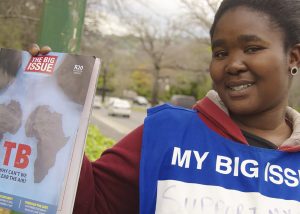
The Big Issue
The Big Issue is a non-profit, non-governmental organization (NGO) and Public Benefit Organization (PBO). They produce an award-winning, high-quality monthly consumer magazine focusing on the social issues of the day, which self-employed sell to make a living. The Big Issue provides social development services to vendors. The organization creates jobs for the unemployed, vulnerable, [...]
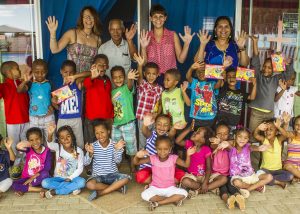
The Darling Trust
The Darling Trust was established in August 2003 by founding member, former trustee and present patron, Pieter-Dirk Uys. The Darling Trust's philosophy is strongly opposed to the handout culture. The project's cornerstone is empowerment. Empowering communities by being proactive - motivating, educating, and providing them with the skills to survive despite the most challenging [...]
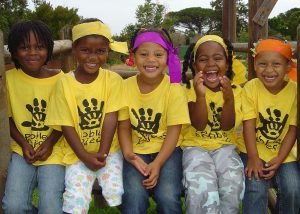
The Pebbles Project
The Pebbles Project is a non-profit organization currently supporting over 1400 children between the ages of 0 – 18, as well as their families, in the farming communities of South Africa's Western Cape Province in Somerset West, Stellenbosch, Paarl, Wellington, Citrusdal as well as the Hemel-en-Aarde region close to Hermanus. Many of the beneficiaries [...]
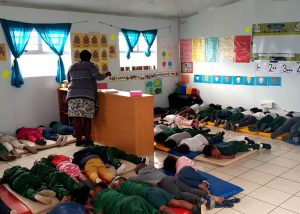
Thokozani “Rejoice” Together
Thokozani, meaning "Rejoice" in isiXhosa Together, is a safe place for at-risk children in Khayelitsha Township. The owners, Mhlangabezi Masizana and Lindelwa Masizana, foster their inherent talents to educate street children. Their innovative social upliftment programs such as homework tutoring, choir singing, and entrepreneurship. Thokozani focuses on inspiring children to get to know themselves [...]
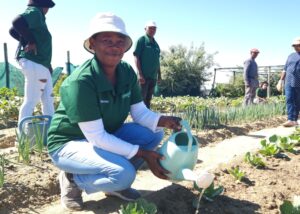
Thunariso Organic Garden
Feed the Khaltsha (FTK) organic garden was established by Thapelo Xabanisa in February 2020, based at the Sibongile day and night care center.
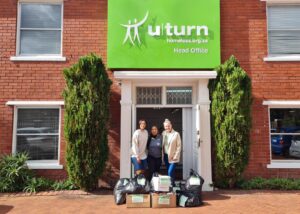
U-Turn
U-turn is a registered NGO based in Cape Town founded in 1997 dealing with homelessness. Over the past 21 years, have crafted an innovative skills based programme designed with long term results for rehabilitation and reintegration. Six months after graduating from the programme, more than 80% of participants remain employed and sober.
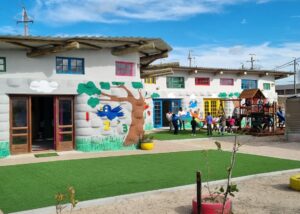
Ulwazi “Knowledge” Educare
Ulwazi, "Knowledge" in isiXhosa, Educare, was opened in 1998 by founder Patiswa Patience Bangani in the community of Delft with the goal to educate, nurture and protect children from child abuse, drugs, and fight poverty. The Early Childhood Development Center (ECD) provides preschool education, nurturing and care for children up to 6 years of [...]
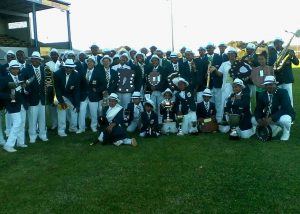
Young Guiding Stars Band (YGSSSB)
Young Guiding Stars Sacred String Band of Claremont (YGSSSB) is one of the oldest Christmas Choir Bands in the Western Cape, if not in South Africa. The band is celebrating its 87th Anniversary in August of 2019.0 Founded by the late Appolis Davidson and established in 1932 in the Harfield / Claremont area, in [...]
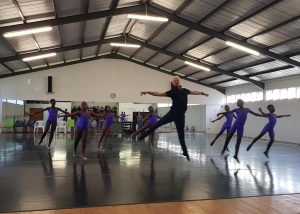
Zama “Try” Dance School
Through the medium of dance and specifically classical ballet, Zama Dance School aims to develop young dancers, choreographers, and teachers by equipping them with a sense of pride, self-discipline, and achievement. Founded in 1990 in Gugulethu township, Cape Town, Zama or, "Try" in isiXhosa seeks to improve at-risk children's lives by helping them create [...]
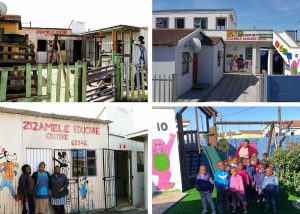
Zizamele “Just Do It” Educare
Zizamele or, "Just do it" in isiXhosa, Educare center is an Early Childhood Development Center (ECD) located in Site C, Khayelitsha. The government does not cater for ECD (early childhood development) education or the provision of pre-school building. Over a million young children in South Africa receive no pre-school education, which is a catastrophe [...]
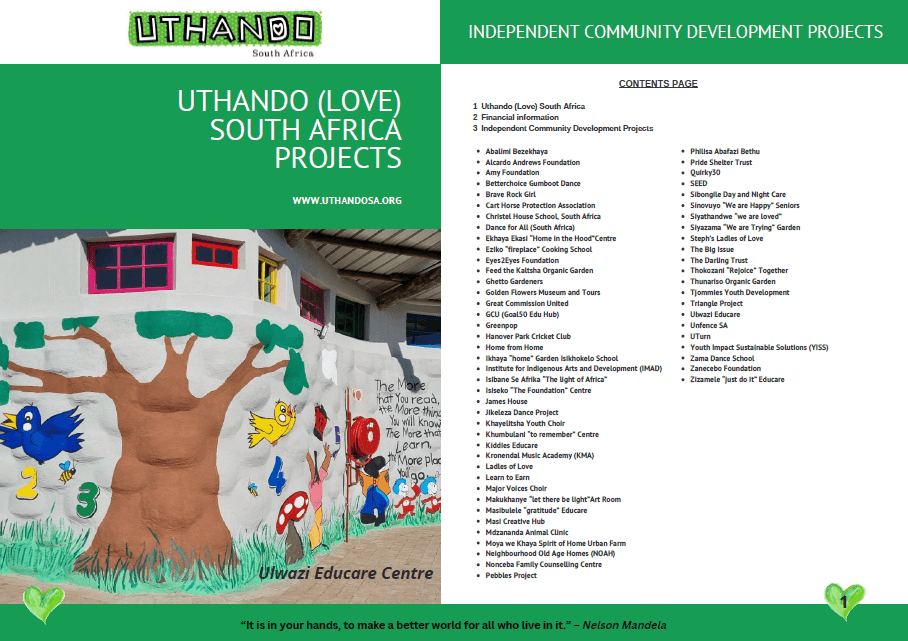
Uthando (love) South Africa Projects
Community and development projects we work with and support.
AT THE HEART OF IT ALL
Uthando (Love) South Africa is proud to work with and support a fantastic collection of independent, well-managed, innovative and inspiring community development projects and charitable organizations and social entrepreneurs across a broad spectrum of sectors including the following:
- Abused women and children / domestic violence
- Agriculture and food gardens
- Animal welfare
- Human development through arts/culture and sport
- Children and Educare
- Disabilities
- Drug and alcohol abuse
- Education
- Elderly and aging
- Environmental and green
- Farmworkers and rural development
- HIV / AIDS
- Housing / Shelter
- Nutrition
- Population health
- Prisoner rehabilitation
- Reconciliation and human rights development
- Refugees and migrants
- Skills development and empowerment
- Sustainable economic development
- Unemployment
The criterion for consideration as a grantee project:
- Grantees must be community based.
- Grantees must be registered Non-Profit Organizations (NPO) with the South African Department of Social Development.
- Grantees must be prepared to submit needs analyses to Uthando and provide satisfactory reports on expenditure including Annual Reports and Annual Financial Statements.
- Grantees must satisfy Uthando that benefits to the community are clearly defined and activities are tangible and evident.
KEEP UPDATED
Subscribe to our mailing list and never miss our newsworthy updates.

KEEP UPDATED
Subscribe to our mailing list and never miss our newsworthy updates.