


AT THE HEART OF IT ALL
Uthando (Love) South Africa is proud to work with and support a fantastic collection of independent, well-managed, innovative and inspiring community development projects and charitable organizations and social entrepreneurs across a broad spectrum of sectors including the following:
- Abused women and children / domestic violence
- Agriculture and food gardens
- Animal welfare
- Human development through arts/culture and sport
- Children and Educare
- Disabilities
- Drug and alcohol abuse
- Education
- Elderly and aging
- Environmental and green
- Farmworkers and rural development
- HIV / AIDS
- Housing / Shelter
- Nutrition
- Population health
- Prisoner rehabilitation
- Reconciliation and human rights development
- Refugees and migrants
- Skills development and empowerment
- Sustainable economic development
- Unemployment
The criterion for consideration as a grantee project:
- Grantees must be community based.
- Grantees must be registered Non-Profit Organizations (NPO) with the South African Department of Social Development.
- Grantees must be prepared to submit needs analyses to Uthando and provide satisfactory reports on expenditure including Annual Reports and Annual Financial Statements.
- Grantees must satisfy Uthando that benefits to the community are clearly defined and activities are tangible and evident.

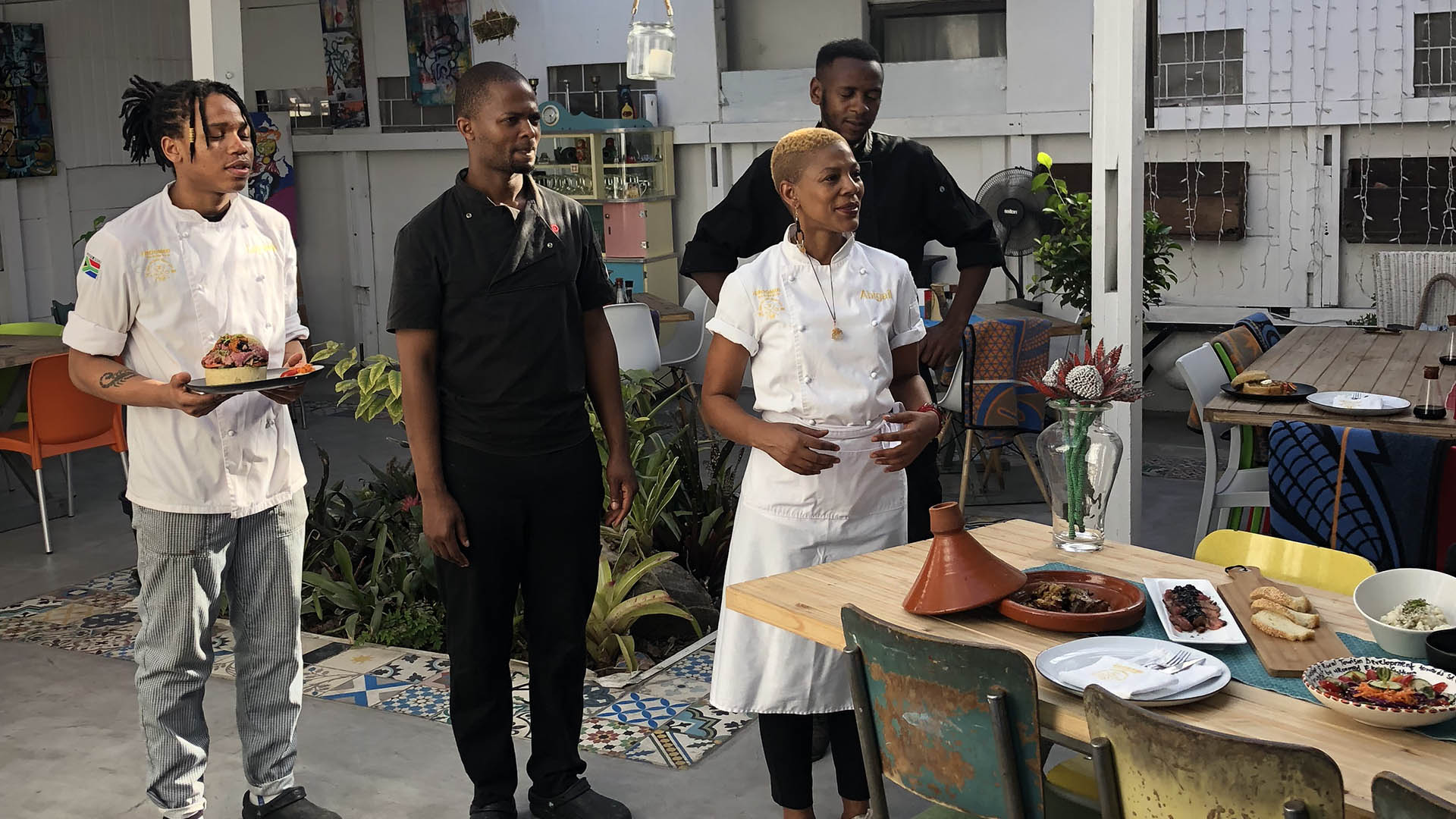
4Roomed Ekasi “Four-Roomed House” Culture
Following her elimination from Top Chef SA competition for burning sugar for dessert, Chef Abigail did not let that bitter disappointment thwart her dreams. Instead, she persevered, and in December 2016, 4Roomed Ekasi Culture was born. Chef Abigail Mbalo-Mokeana, a former dental technologist, born in Gugulethu township in a four-roomed "Ekasi" or, Apartheid dwelling [...]
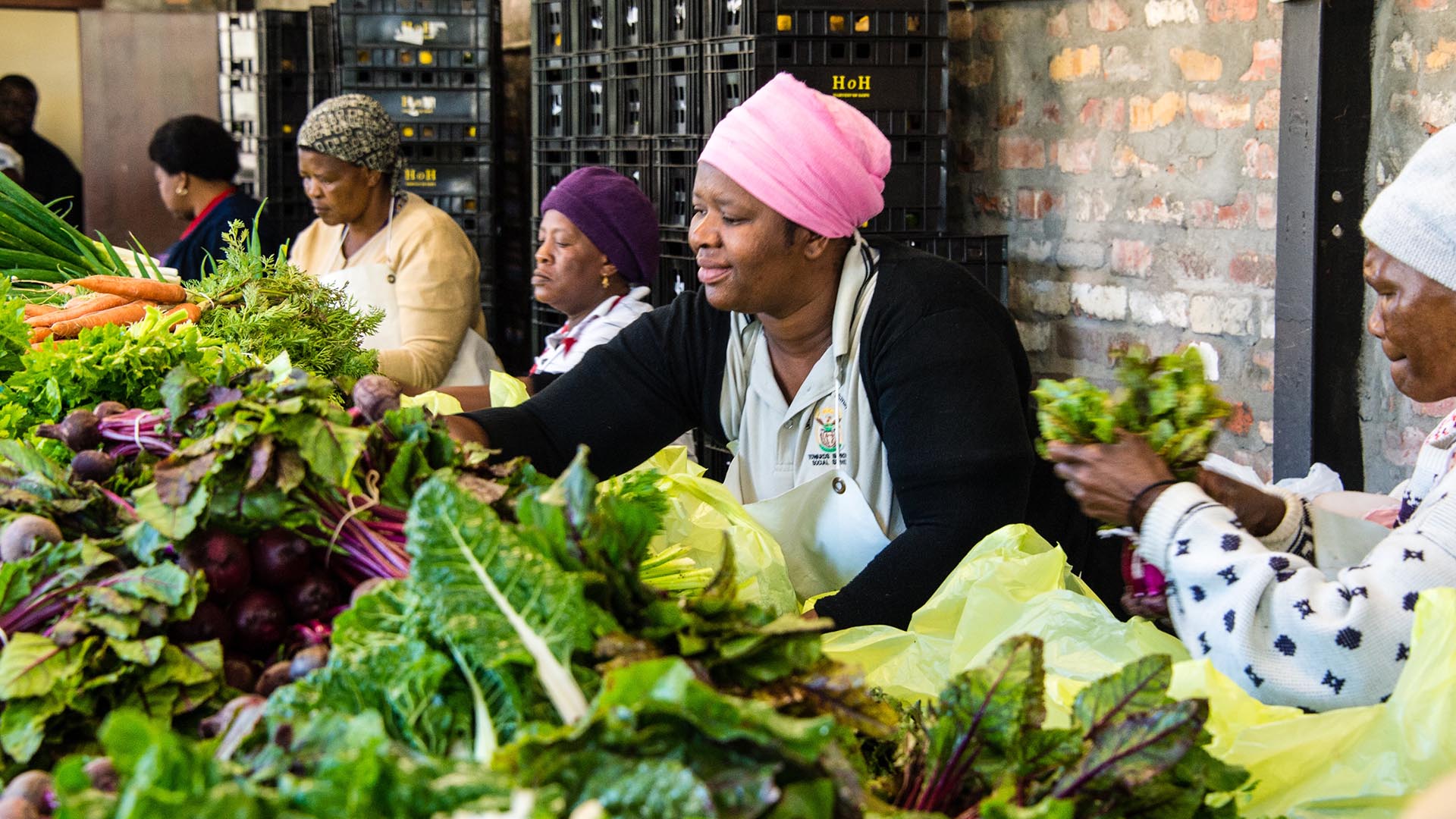
Abalimi Bezekhaya “Farmers of the home”
Abalimi Bezekhaya, meaning "Farmers Of The Home" in isiXhosa, is a non-profit urban farming organization that provides support to disadvantaged communities in Cape Town. In an act to combat poverty, Abalimi teaches people how to grow and maintain their organic vegetable gardens within the local communities. Projects include home and community gardens to encourage [...]
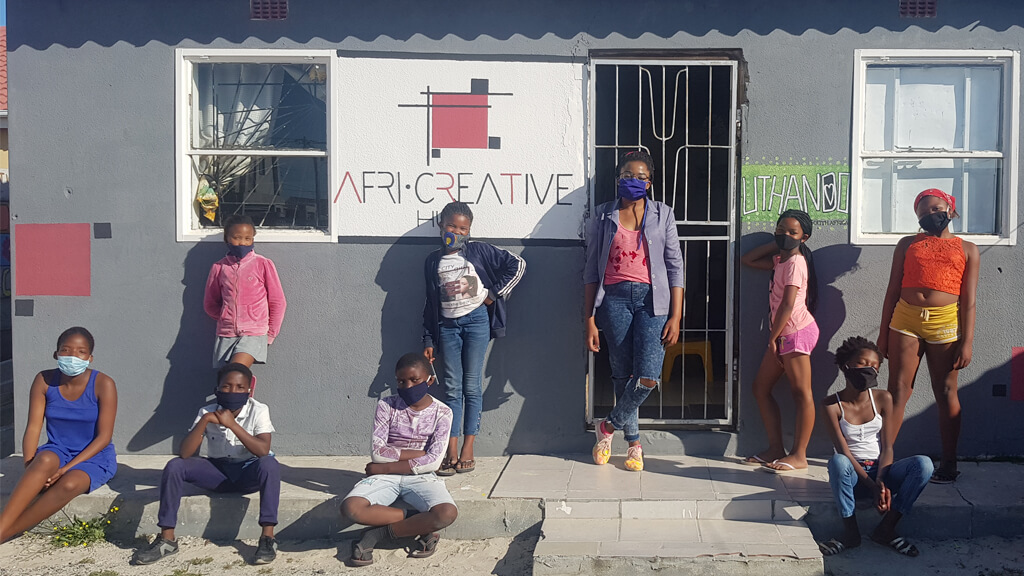
Afri-Creative Hub
Afri-Creative Hub is an Art centre assisting emerging artists achieve their dreams and also aims to empower them with knowledge gained skills development . It was established in 2019 by Nwabisa Nkonyana, a fine arts graduate with a vision of imparting her skills and knowledge to the youth and more particularly those interested in [...]
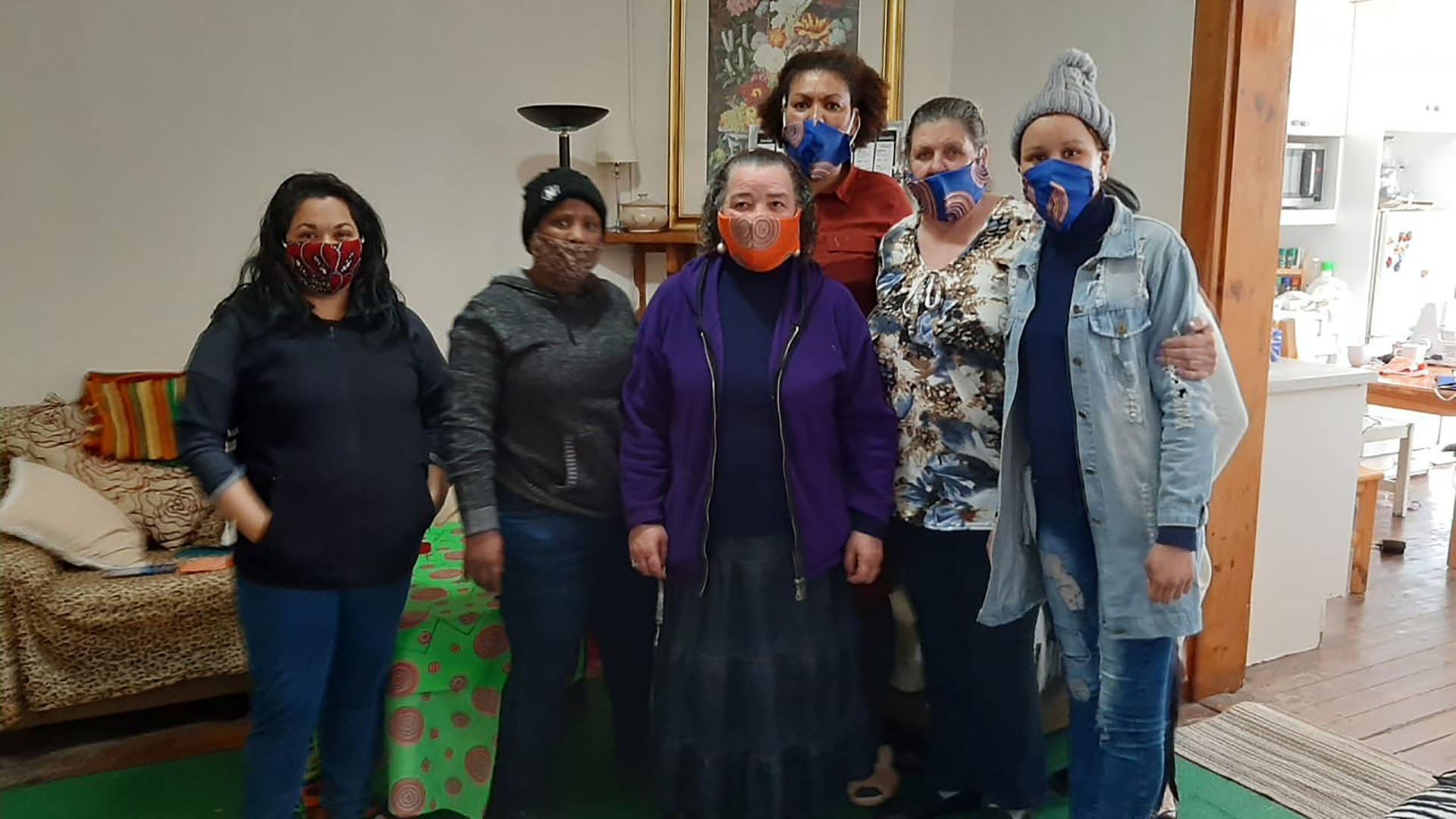
Beauty for Ashes
Beauty for Ashes (RF) NPC is an organization that provides a safe place of refuge for women who are returning to society, having experienced and endured time in prison. Understanding the challenges an ex-offender faces when trying to rebuild their lives, the program emphasizes women’s nurturing and empowerment. Beauty for Ashes' development programs aids [...]
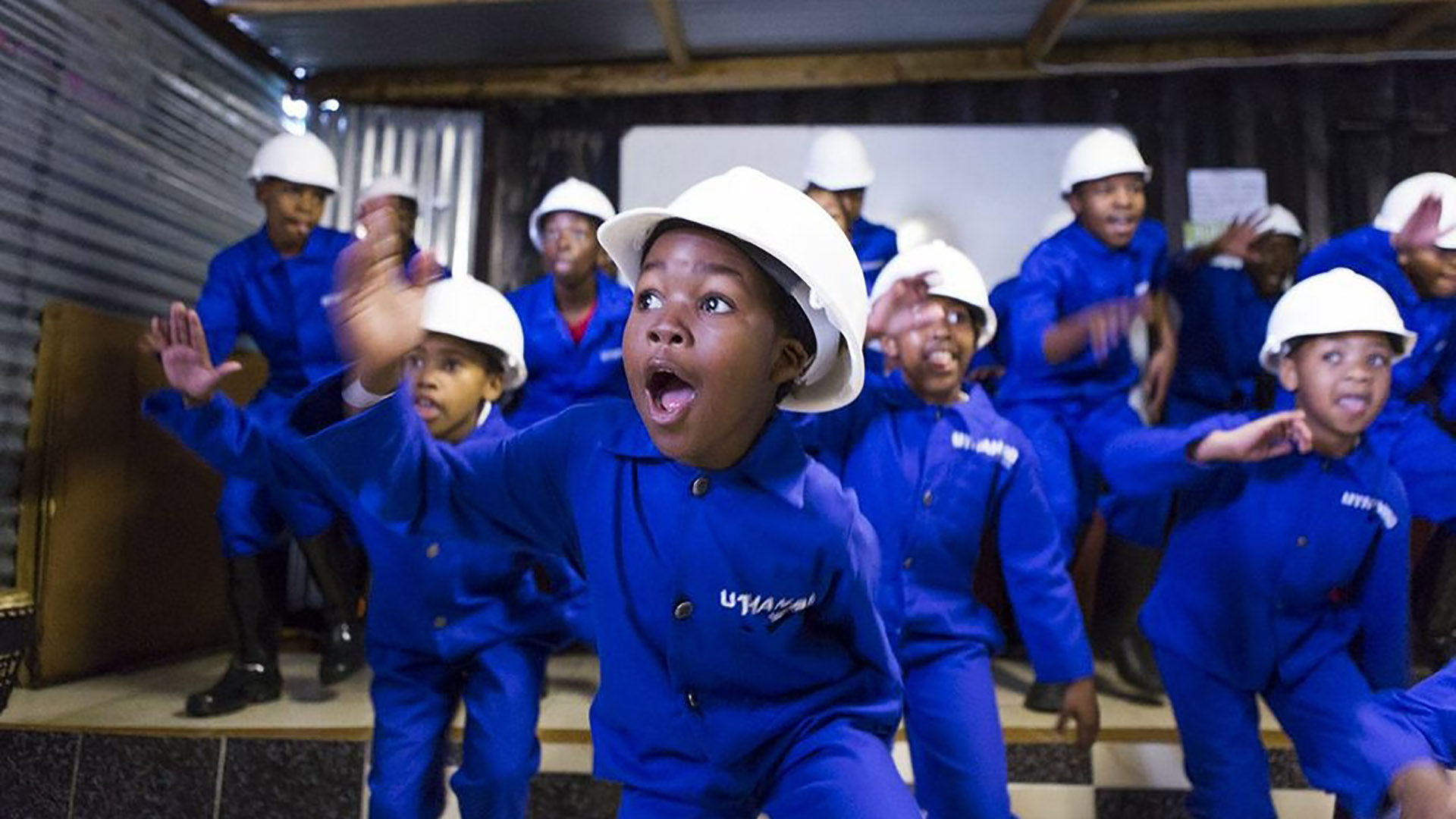
Betterchoice Gumboot Dance
Betterchoice Gumboot Dance is a community-based youth project established in 2012 by Eric Xezu based in Site B Khayelitsha. Betterchoice has 35 participating members of boys and girls, ages ranging from 7 to 15 years. The program focuses on teaching children Gumboot and Traditional style dance and offers a homework club to assist children [...]
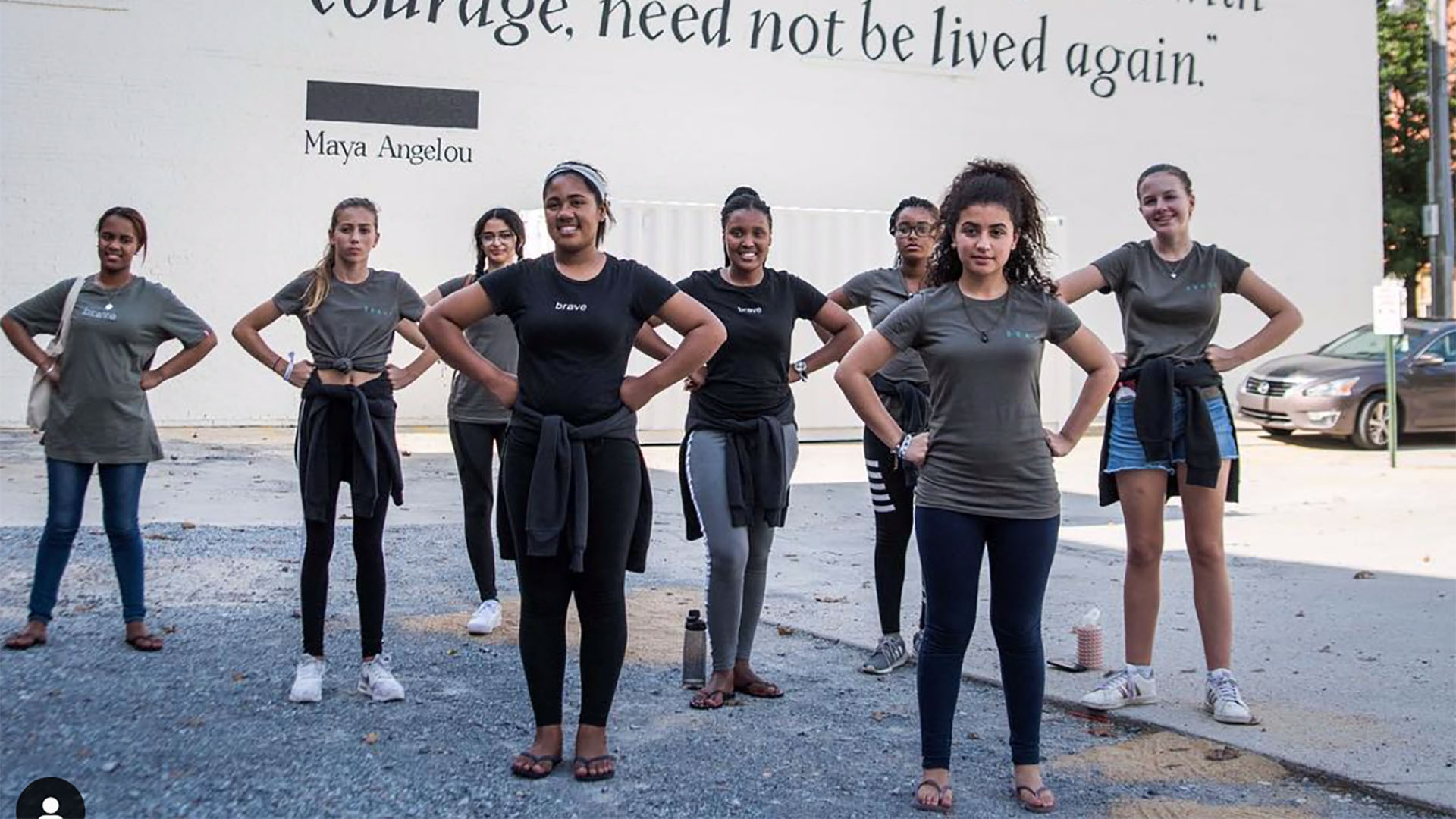
BRAVE Rock Girl
BRAVE is girl-led and trains girls from underserved communities. The program empowers girls and young women to tell their stories through journalism and photography/film, acquire practical skills, and build networks among their peers. BRAVE enables at-risk girls to access education, health care, economic empowerment, self-confidence, and safety. The primary goal is to create safe [...]
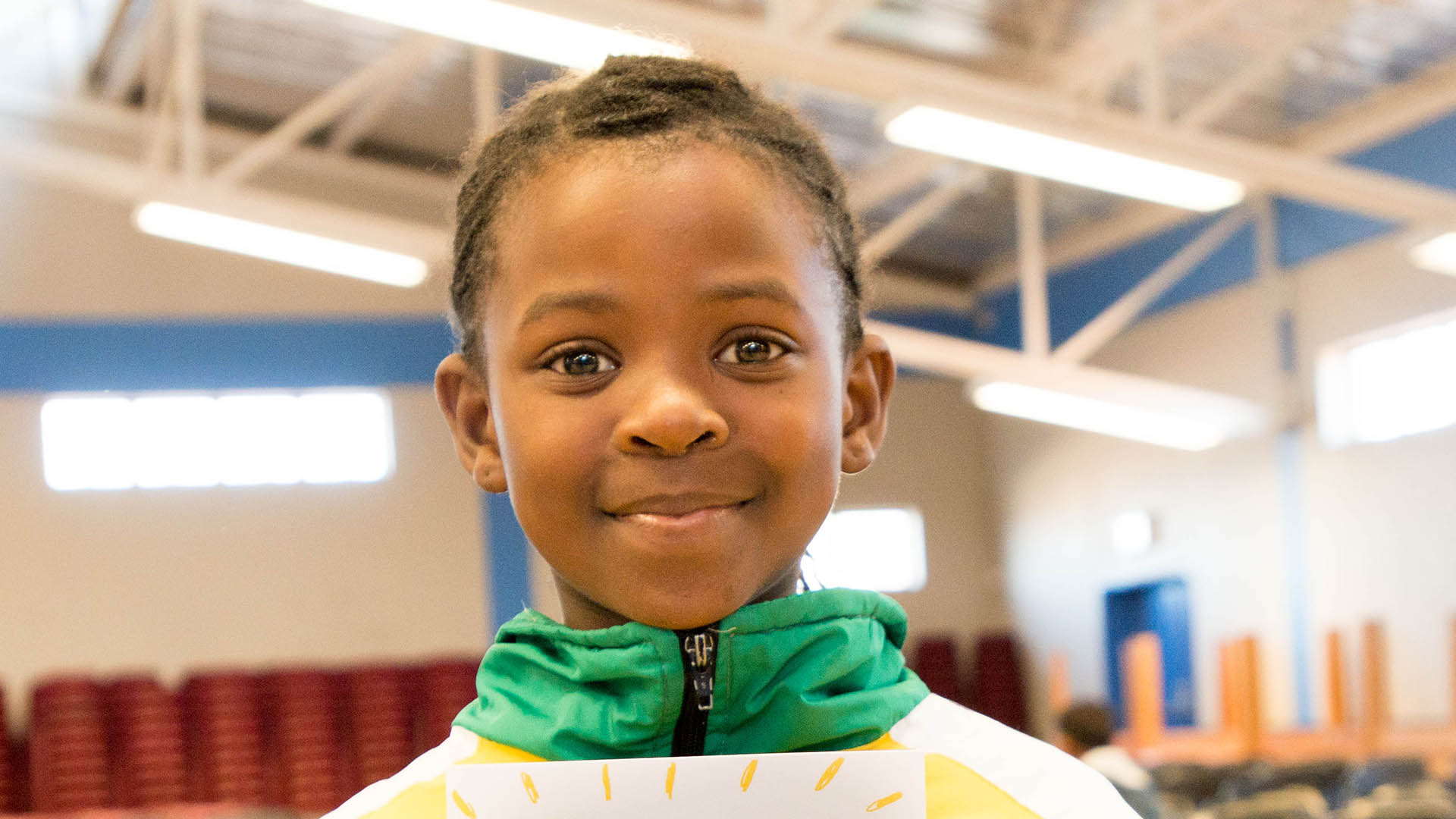
Cape Town Opera Outreach
Cape Town Opera (CTO) youth development and education program conduct various activities throughout the year in low-income rural and urban areas. Khayelitsha, Retreat, Vredenburg, Philippi, Gugulethu, Wynberg, and the outlying regions across South Africa. Social ills ravage these areas as a result of the destructive cycle of poverty every generation endures. The projects include [...]
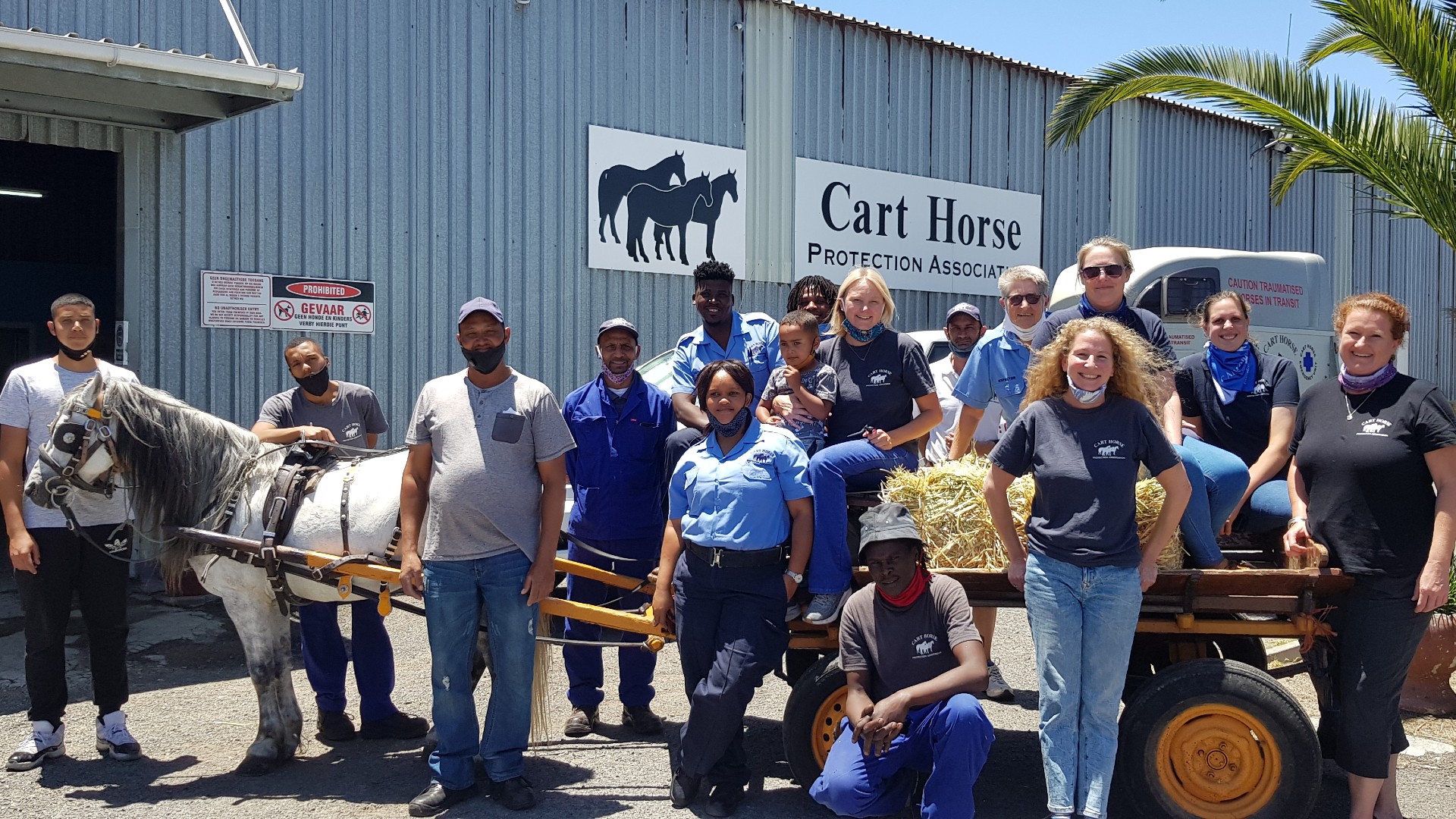
Cart Horse Protection Association
The Cart Horse Protection Association is a non-profit animal welfare organization, established in 1995 in Cape Town, to promote the welfare of working horses and donkeys in the Western Cape through service provision, legislation, education, training, and to protect them from abuse. After years of neglect and maltreatment due to the relocation of the [...]
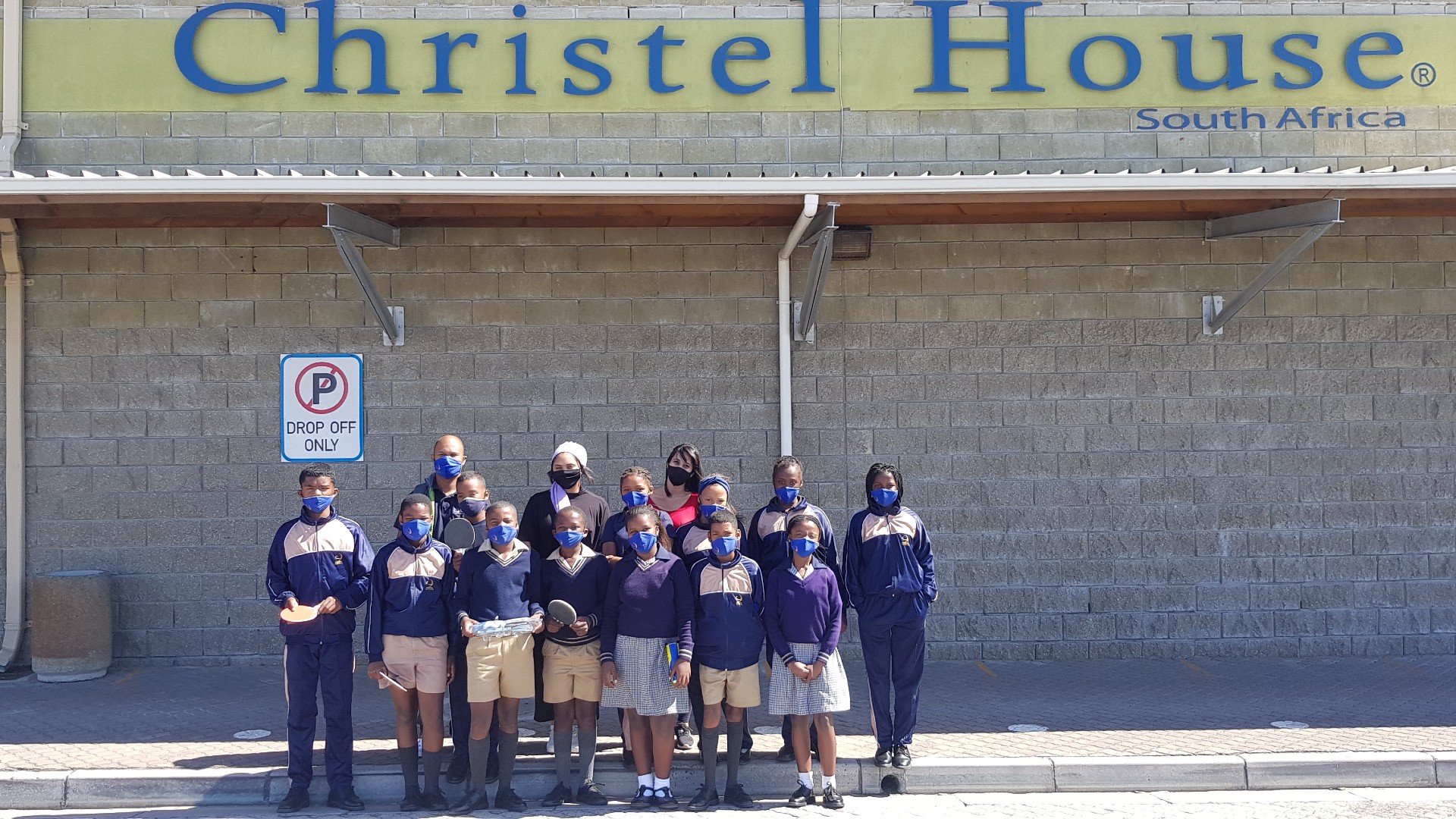
Christel House South Africa
Children born into poverty often face a lifetime of physical and psychological trauma and almost always remain trapped there, unless significant interventions occur. Christel House South Africa, a non-profit school, works towards breaking the cycle of poverty by providing its 1000+ students from Cape Town's most underserved communities, with a no-fee, 18-year scholarship. From [...]
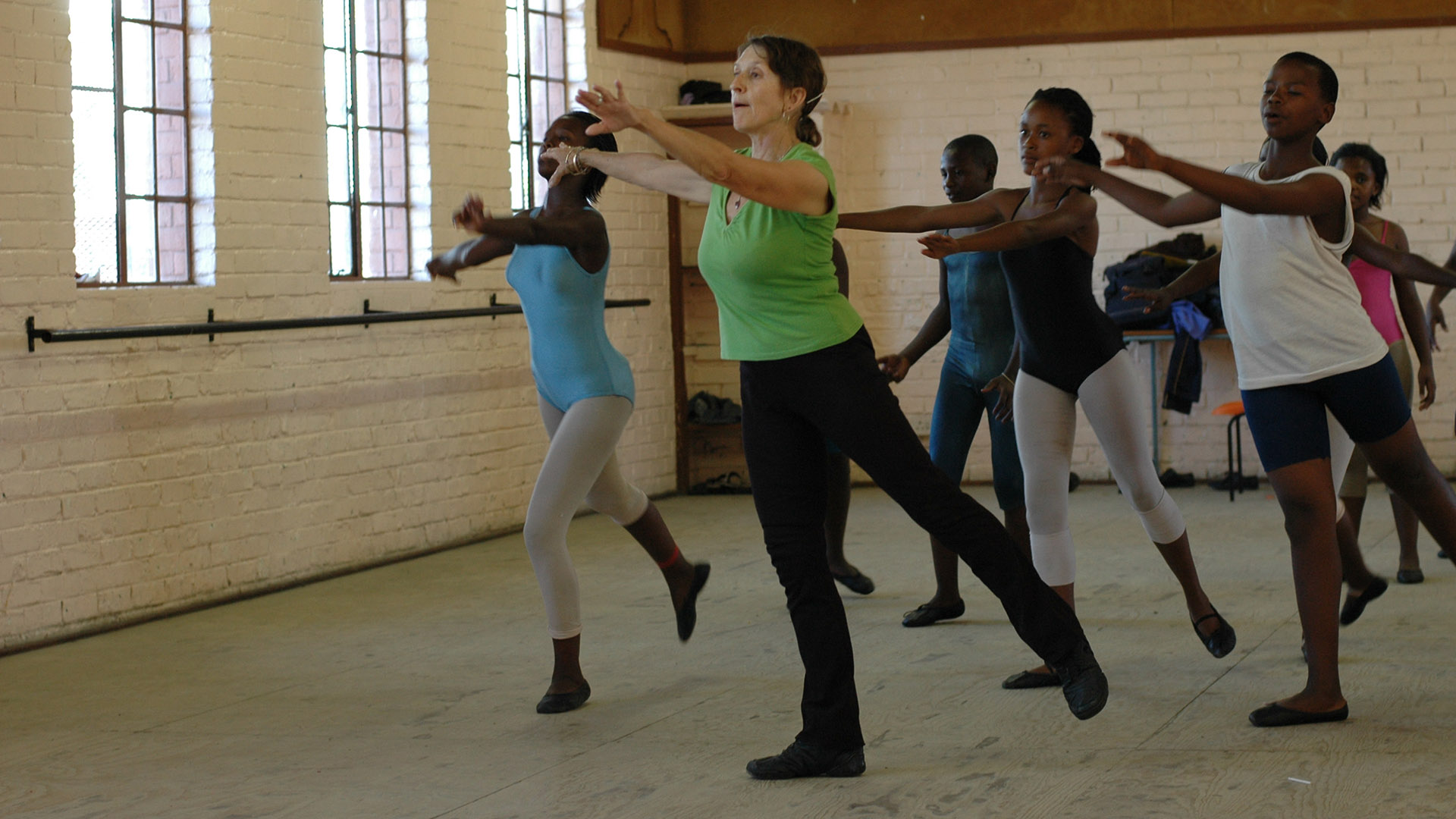
Dance for All
Dance for All (DFA) is a non-profit organization based in Athlone, Cape Town, that educates and empowers children in historically disadvantaged communities through dance. Students from the age of 5 years, up to young adults, can receive a high standard of training, free of charge, within the townships of Nyanga, Khayelitsha, and Delft. Through [...]
HELP MAKE A DIFFERENCE
We invite those who value this beautiful country and its people to join our cause, helping to support, protect and nurture it for generations to come.

Champion Uthando (Love) South Africa’s causes by hosting your fundraiser on GivenGain’s platform, from home. Run a fundraising campaign for Uthando on our crowd funding platform, it’s simple, easy and extremely effective in generating funds for our community projects.


A feel good project with a do good mission
The Heart of Cape Town, an initiative led by Uthando (Love) South Africa, passionately champions a profound message of Peace, Kindness and Love worldwide, whilst illuminating the truly inspiring and innovative work of South African community development projects and activists.
Take a photo with your heart, tag “The Heart of Cape Town” and follow on social media.


KEEP UPDATED
Subscribe to our mailing list and never miss our newsworthy updates.


