




Responsible Tourism Declaration
Uthando subscribes to the principles as set out in the 2002 Cape Town Declaration on Responsible Tourism in Destinations, which defined Responsible Tourism as follows:
- minimises negative economic, environmental, and social impacts;
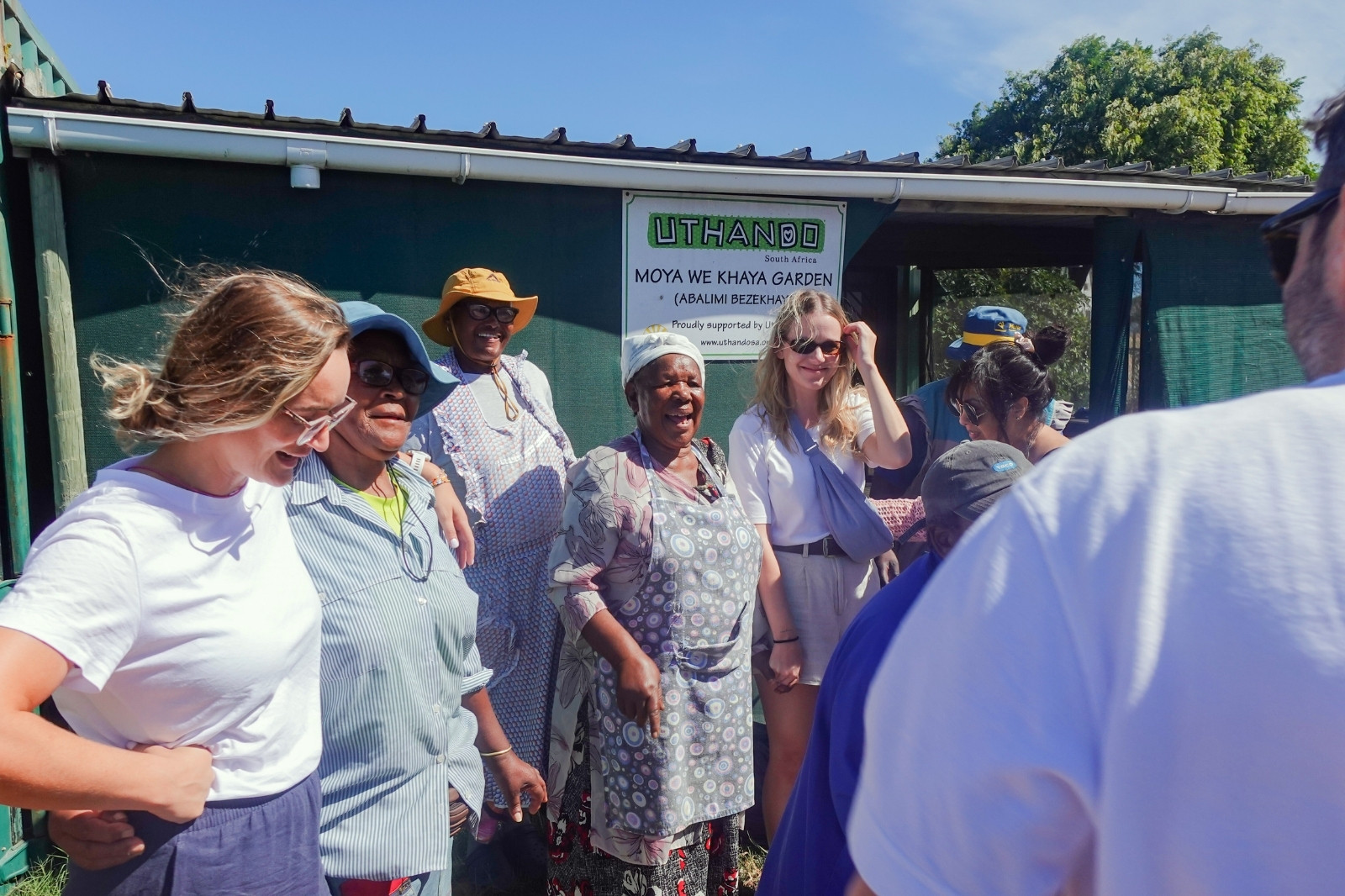
- generates greater economic benefits for local people and enhances the well-being of host communities;
- improves working conditions and access to the industry;
- involves local people in decisions that affect their lives and life chances;
- makes positive contributions to the conservation of natural and cultural heritage, to the maintenance of the world’s diversity;
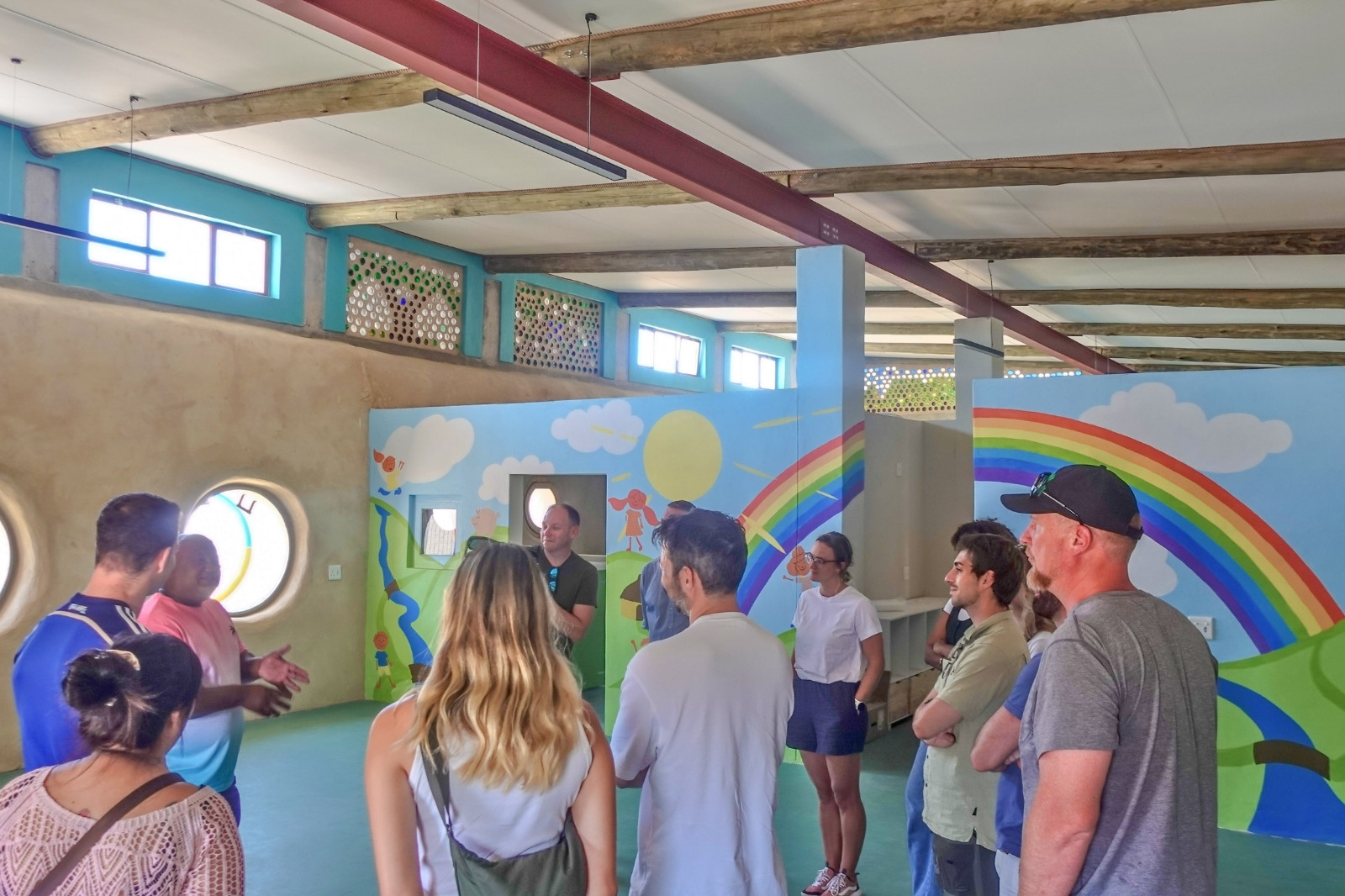
- provides more enjoyable experiences for tourists through more meaningful connections with local people, and a greater understanding of local cultural, social and environmental issues;
- provides access for physically challenged people;
- and is culturally sensitive, engenders respect between tourists and hosts, and builds local pride and confidence.
Responsible Tourism Declaration
Uthando subscribes to the principles as set out in the 2002 Cape Town Declaration on Responsible Tourism in Destinations, which defined Responsible Tourism as follows:
- minimises negative economic, environmental, and social impacts;
- generates greater economic benefits for local people and enhances the well-being of host communities;
- improves working conditions and access to the industry;
- involves local people in decisions that affect their lives and life chances;
- makes positive contributions to the conservation of natural and cultural heritage, to the maintenance of the world’s diversity;
- provides more enjoyable experiences for tourists through more meaningful connections with local people, and a greater understanding of local cultural, social and environmental issues;
- provides access for physically challenged people;
- and is culturally sensitive, engenders respect between tourists and hosts, and builds local pride and confidence.
Guest Code of Conduct
Uthando is fully committed to ensuring that the guest experience is as fulfilling, meaningful, and educational as possible, while also respecting local communities we visit.
Below are guidelines which promote this philosophy and policy:
- Local communities are benefiting from Uthando visits. Guests must enjoy the philanthropic educational excursions, knowing that their presence is welcomed, appreciated, and valued by the local communities.
- Guides provide guests with information on local greetings and customs at the outset of the philanthropic educational excursions, so that they may engage with locals respectfully.
- Guides give as much information as possible on local customs, culture, and traditions, thus ensuring a comprehensive overview of the communities visited.
- Donations are not allowed during the philanthropic educational excursions.
- Guests wishing to make donations can obtain information in this regard from the guide after the philanthropic educational excursions.
- No sweets, clothes, or any other items are to be given to children directly, but rather to the Director of the relevant project.
- Uthando does not encourage children to develop a culture of begging, reliance, or expecting handouts from tourists. Please refrain from picking children up.
- Guests are encouraged to be respectful when taking photographs. Taking photographs of people other than at the projects may be viewed as rude and inappropriate. Guides to make clear what is acceptable in respect of photography during the philanthropic educational excursions. If there is any doubt regarding photograph-taking, please consult your guide during the trip.
- Guests are to remain at the project site unless accompanied by the guide. Walking off unaccompanied could pose a security risk to guests and Uthando.
- Guests to avoid excessive displays of wealth (e.g., expensive jewelry), and they are encouraged to wear casual, modest, and understated clothing.
- Guests are to leave excessive amounts of money, credit cards, expensive mobile phones, passports, and other valuable personal items at their hotel.
- If applicable, guests are to dispose of litter responsibly, preferably taking it with them.
Guest Code of Conduct
Uthando is fully committed to ensuring that the guest experience is as fulfilling, meaningful, and educational as possible, while also respecting local communities we visit.
Below are guidelines which promote this philosophy and policy:
- Local communities are benefiting from Uthando visits. Guests must enjoy the philanthropic educational excursions, knowing that their presence is welcomed, appreciated, and valued by the local communities.
- Guides provide guests with information on local greetings and customs at the outset of the philanthropic educational excursions, so that they may engage with locals respectfully.
- Guides give as much information as possible on local customs, culture, and traditions, thus ensuring a comprehensive overview of the communities visited.
- Donations are not allowed during the philanthropic educational excursions.
- Guests wishing to make donations can obtain information in this regard from the guide after the philanthropic educational excursions.
- No sweets, clothes, or any other items are to be given to children directly, but rather to the Director of the relevant project.
- Uthando does not encourage children to develop a culture of begging, reliance, or expecting handouts from tourists. Please refrain from picking children up.
- Guests are encouraged to be respectful when taking photographs. Taking photographs of people other than at the projects may be viewed as rude and inappropriate. Guides to make clear what is acceptable in respect of photography during the philanthropic educational excursions. If there is any doubt regarding photograph-taking, please consult your guide during the trip.
- Guests are to remain at the project site unless accompanied by the guide. Walking off unaccompanied could pose a security risk to guests and Uthando.
- Guests to avoid excessive displays of wealth (e.g., expensive jewelry), and they are encouraged to wear casual, modest, and understated clothing.
- Guests are to leave excessive amounts of money, credit cards, expensive mobile phones, passports, and other valuable personal items at their hotel.
- If applicable, guests are to dispose of litter responsibly, preferably taking it with them.